
Who we are
Pathfinders for Hope is building a coordinated front door.
Pathfinders for Hope Vallejo is a local nonprofit leading the North Bay Pilot for Operation Iron Gate, a confirmed-handoff referral system. Our principle is simple: a referral is not complete until the connection is confirmed. We are recruiting organizations for the North Bay Pilot, and the pilot is not open yet. But we are open: GATEHOUSE, our community platform and a smaller version of Operation Iron Gate, is live now. Register on GATEHOUSE.

Our Mission
A front door that does not close.
Our mission is to build a coordinated front door for people facing housing instability in Vallejo, California, and to make sure that door leads somewhere.
A person seeking help should not have to tell their story five times to five different desks. They should not be handed a phone number and called served. The network we are building is designed so that each request produces a named next step, a responsible partner, and confirmation that the connection occurred.
We are a nonprofit, but the work is broader than a bed. Identification. Transportation. Documents. Benefits. Housing navigation. The gaps between homeless services are where people disappear, and closing those gaps is the whole job.
Our Vision
A community where no one gets lost.
We envision a Vallejo where every person who reaches out for help can be accounted for as a neighbor, not merely a case number, whose situation someone is still responsible for.
In that community, no one is turned away without a reason they can understand. No one is referred into silence. And no one has to start over because a file was closed while they were still unhoused.
No dead ends. That is the standard we are building toward, and it is the standard we will measure ourselves against.
Our Values
What we stand for, and how you’d know.
Three values govern how this organization operates. They are not aspirations posted on a wall. They are the tests we apply to our own decisions.
Dignity First
Every person served through the network is a person before they are a situation. We will use person-first language because language shapes treatment. No one should have to perform hardship to qualify for respect, and no person's worst week should become their identity.
Persistence
A referral is not an outcome. Handing someone an address is not the same as knowing they arrived. During the pilot, the standard will be to keep a referral open until the connection is confirmed, because the moment after a handoff is where people are most often lost.
Proof
We hold ourselves to what can be shown, not what can be claimed. When results are reported, the record will show what was offered, what was received, and what happened next. Where the pilot falls short, that will be visible too.
In Our Words
“People do not fall through cracks. They fall through handoffs nobody was responsible for.”
Pathfinders for Hope was formed because the distance between services is where people are lost, even when no one organization failed. Homeless services providers in this community are stretched, and the handoffs between them were never designed to be followed end to end.
Our role in the pilot will be to coordinate the space between services and make each handoff visible. That is a narrow job, deliberately. We would rather do one thing all the way through than do six things partway.
How We Work
One path, four stages, no dead ends.
During the pilot, a person referred through the network will follow one path. Each stage will have a responsible partner and a condition that must be met before the next stage begins.
Arrival
The person’s situation will be recorded once so they are not asked to repeat their history at every stage that follows.
Barriers
Participating providers will identify what is standing between the person and stable housing, such as missing identification, transportation, benefits, or documents.
Routing
The person will be connected to the specific resource that addresses the barrier: a named destination with a named contact, not a list of options.
Confirmation
The referral record will stay open until the connection is confirmed. If a handoff fails, it will return to a responsible partner rather than leaving the person to solve it alone.
Operation Iron Gate is a confirmed-handoff referral network designed to keep an authorized handoff visible from referral through receiving response and documented next action. Participating organizations keep control of their services while the network records whether each referral reaches a confirmed connection.
Each provider keeps responsibility for the work it performs. Transportation providers handle transportation. Document-recovery organizations handle documents. Pathfinders for Hope Vallejo tracks the interval between them so a handoff has a named owner, a receiving response, and a recorded outcome.
This is a focused accountability job. The work measures receipt, follow-up ownership, confirmation, and unresolved handoffs across participating organizations. Pathfinders for Hope Vallejo was formed to make that interval visible and will be measured on whether those handoffs reach documented outcomes.
Our Board

Marco Cardenas
Board Member

Bre Jackson
Board Chair

Jose Carrizales
Board Member
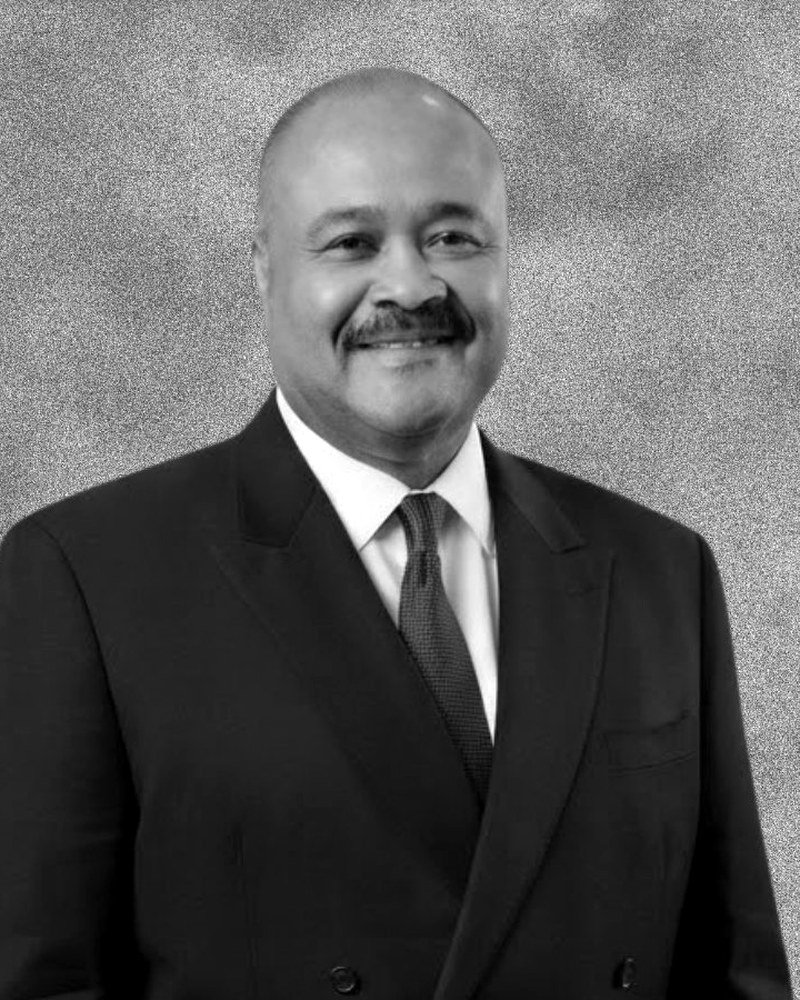
Ronald Hamilton
Board Member
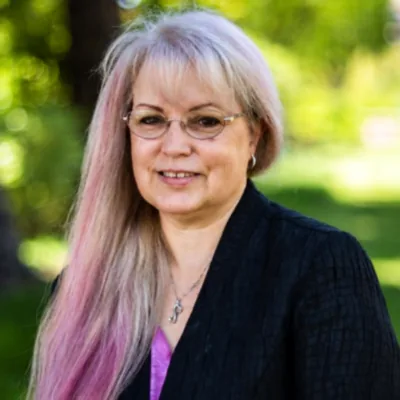
Dr. Antoinette Olivarez
Board Member
Pathfinders for Hope
In their own words
What Comes Next
Building the first cohort.
We are recruiting our first partner cohort. That is the work in front of us, and it is the honest description of where this organization stands.
Everything on this page describes what Pathfinders for Hope is built to do and how it will be held to it. When there are results, they will be published plainly, including the ones that do not flatter us.
If you run a service in this community, you can add your organization now. If you want to support the work, a gift funds the front door.
Recruiting
Recruiting the first partner organizations and preparing the pilot system. This is where we are today.
First Cohort
Cases opened, barriers named, every handoff confirmed rather than assumed.
Published Results
What worked, what failed, and the numbers behind both, in the open.
Get Help
Pathfinders for Hope is not yet open for direct intake. For immediate assistance, use the crisis resources on our Get Help page, or see our guide to homeless shelters in Vallejo.
For Organizations
Add your organization so people can be routed to what you offer.
Support the Work
A gift to a homeless nonprofit that is accountable for what happens next.
Want to know why this organization exists at all? Read how this started.