Open now

We’re open. GATEHOUSE, our community platform, is live: a smaller version of Operation Iron Gate. The North Bay Pilot is not open yet (projected January 2027).

Register on GATEHOUSE → What is GATEHOUSE?
Member log inMy community

Volunteer Directors

Our Board of Directors

Our nonprofit board of directors includes five volunteer directors. None of them are paid. All of them are accountable for what this organization does in Vallejo.
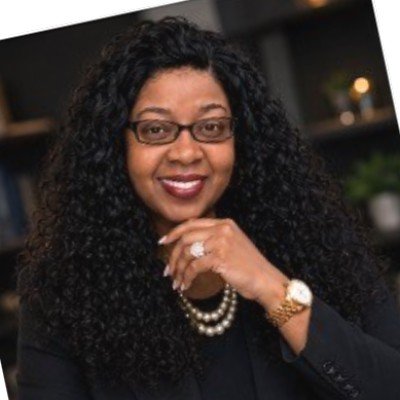
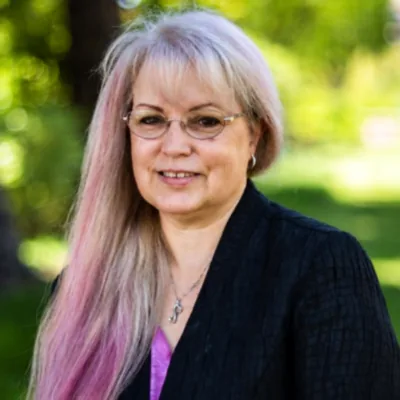
01Bre Jackson, Board Chair on the nonprofit board of directors for Pathfinders for Hope

Bre Jackson

Board Chair

02Marco Cardenas, Founder and Board Member, Pathfinders for Hope

Marco Cardenas

Founder · Board Member

Lived expertise
Read his story

Marco Cardenas founded Pathfinders for Hope after seven years navigating homelessness across America. Starting in San Angelo and San Antonio, Texas, he built a successful cleaning business before losing everything to COVID in 2020. What followed was a journey through homelessness that took him across the West — and through every homeless services agency that turned him away. In San Diego, he educated himself on life issues and the systemic failures he experienced, which became the foundation for Pathfinders for Hope. He got out in 2022. Now he builds Operation Iron Gate to ensure no one gets lost the way he did.

03Jose Carrizales, Board Member, Pathfinders for Hope

Jose Carrizales

Board Member

12 years lived expertise
In his words

“I contribute to the Board 12 years of Lived Expertise which includes actual Homelessness, years of committee memberships, and speaking roles at national conferences. My lived Expertise will provide great insight, knowledge, and awareness to the plight of the Unsheltered issue.”
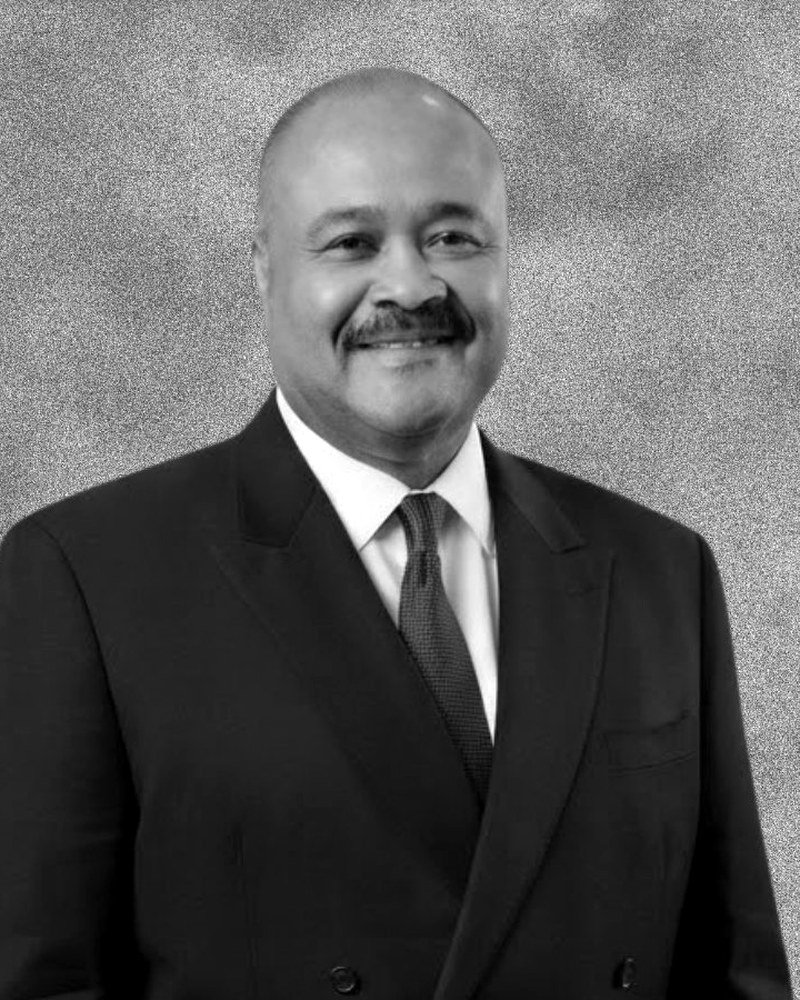
04Ronald Hamilton, Board Member, Pathfinders for Hope

Ronald Hamilton

Board Member

05Dr. Antoinette Olivarez, Board Member, Pathfinders for Hope

Dr. Antoinette Olivarez

Board Member

Apply to the Vallejo pilot.

Operation Iron Gate is being built in Vallejo with the organizations already doing this work. Participating organizations list the services they can accept referrals for, so every handoff has a known destination and a documented outcome.

HOW OUR NONPROFIT BOARD OF DIRECTORS PROVIDES OVERSIGHT

Pathfinders for Hope is guided by five volunteer directors who are accountable for the organization’s direction in Vallejo. A nonprofit board of directors carries responsibilities that go beyond appearing on a roster. Board service requires attention to mission, honest public communication, responsible use of organizational resources, and decisions that respect the people and communities affected by the work. The board’s role is to strengthen judgment, ask difficult questions, and keep the organization focused on what it can truthfully deliver.

MISSION BEFORE MOMENTUM

The board is responsible for protecting the mission while Pathfinders for Hope develops the North Bay Pilot. Growth does not come before accuracy or dignity. New ideas, partnerships, and public commitments must support the purpose of helping people reach a clear next step without turning uncertainty into promises. Board oversight gives the organization a place to test whether a decision advances the mission or creates risk, confusion, or expectations that cannot yet be met.

HONEST PILOT STATUS

Operation Iron Gate is a proposed North Bay Pilot and has not launched. GATEHOUSE, our community platform and a smaller version of Operation Iron Gate, is open now: register on GATEHOUSE. Public enrollment is not open. The nonprofit board of directors helps hold that distinction in place across planning, outreach, and public information. The organization must clearly separate current facts, proposed workflows, design targets, and future possibilities. That discipline protects people seeking help, potential partners, donors, and the organization itself from claims that move faster than the evidence.

LIVED EXPERTISE WITH GOVERNANCE RESPONSIBILITY

Lived expertise informs the board’s judgment, but it is not used as decoration or as a substitute for responsible governance. Experience with homelessness can reveal access barriers, failed handoffs, and the harm caused by unclear promises. Board responsibility turns those lessons into questions about policy, consent, follow-through, and accountability. Every director remains responsible for considering the organization as a whole, not only one personal experience or professional viewpoint.

RESPONSIBLE PARTNERSHIPS

Pathfinders for Hope is developing a model that depends on voluntary participation by organizations that send or receive referrals. The board must support relationships that respect each organization’s authority over its services, records, privacy duties, eligibility decisions, and internal systems. A partnership should have a defined purpose, clear boundaries, and an honest description of what participation does and does not mean. No public statement should imply a partnership, deployment, or result that has not been confirmed.

CLEAR PUBLIC ACCOUNTABILITY

The board is responsible for helping the organization communicate in plain language. That includes keeping current operations separate from future plans, correcting material errors, and ensuring that public information does not guarantee housing, services, eligibility, or placement. Pathfinders for Hope’s editorial standards explain how sources, pilot claims, and corrections are handled. Clear language is part of accountability because people should understand what is available now, what is still being built, and who controls the next decision.

GOVERNANCE STANDARDS

Pathfinders for Hope uses recognized nonprofit governance resources as reference points while developing its own practices. The National Council of Nonprofits explains board roles and responsibilities, including oversight, duty of care, and stewardship. The Internal Revenue Service also publishes governance guidance for charitable organizations. These resources do not replace the organization’s governing documents or legal responsibilities. They provide public standards that help residents, partners, and supporters understand what serious board oversight should address.

HOW TO EVALUATE BOARD ACCOUNTABILITY

Residents, partners, and supporters should be able to evaluate a nonprofit board of directors by looking for clear evidence of responsibility, not slogans. The following questions provide a practical way to review whether board oversight matches the public mission.

Public accuracy. Does the nonprofit board of directors clearly distinguish services available now from a proposed pilot, future capability, or design target? Claims should match the organization’s current status. Corrections should be made when important information changes.

Mission alignment. Can the board explain how a major decision supports the organization’s purpose and the people it is meant to serve? New technology, fundraising, partnerships, and public commitments should be tested against mission, dignity, access, and follow-through.

Independent judgment. Do directors ask questions, identify risk, and consider perspectives beyond the founder or any single professional role? A nonprofit board of directors should strengthen decisions through collective oversight. Founder experience matters, but it does not eliminate the need for board review.

Responsible boundaries. Does the organization state what it controls and what belongs to another provider, agency, or public system? Pathfinders for Hope cannot promise another organization’s eligibility decision, availability, service, housing placement, or records. Board oversight should protect that boundary.

Accessible accountability. Can a resident, partner, or supporter find the board roster, current pilot status, editorial standards, and a clear way to contact the organization? Transparency is strongest when people can verify who is responsible, what has been approved, and what remains under development.

These checks do not turn a board page into a legal report. They give the public a direct standard for judging whether the five volunteer directors are treating governance as active responsibility. The goal is not to claim perfection. The goal is to make the board’s responsibilities visible and reviewable.

WHAT THE BOARD REVIEWS AS THE PILOT DEVELOPS

A volunteer board needs a clear review discipline as a pilot moves from concept toward implementation. For Pathfinders for Hope, the following areas define what the board should keep visible during planning and future decision-making.

Planning boundaries. The board should be able to identify which parts of Operation Iron Gate are proposals, which parts are design requirements, and which parts have been tested in actual operations. A planned workflow target is not an outcome. A conversation with an organization is not a partnership. A referral pathway is not available until the responsible organizations have confirmed it. Keeping those categories separate prevents planning language from becoming a public promise.

Public claims and evidence. The nonprofit board of directors should ask what evidence supports an important statement before that statement is published. Evidence may include an official public source, an approved organizational record, a documented decision, or a clearly labeled firsthand account. When evidence is limited, the language should be limited too. If a material fact changes, the organization should correct the page and preserve a clear explanation of the current status.

Consent and privacy boundaries. Any future referral-accountability work must respect the person’s authorization and the participating organization’s responsibilities. Board oversight should ask what information is necessary, who may see it, how access is recorded, and what happens when a person declines an optional question. The goal is not to collect the most information. The goal is to support a clear handoff while limiting access to what the agreed purpose requires.

Partnership commitments. Before Pathfinders for Hope describes another organization as a participant, the relationship should be confirmed by the people authorized to make that commitment. The board should ask what each organization has agreed to do, what it has not agreed to do, who owns the next action, and how either party can correct a misunderstanding. Strong partnership language is specific. It does not exaggerate a meeting, introduction, or expression of interest.

Follow-through and correction. Accountability does not end when a decision is approved. The board should ask whether the decision produced the expected result, created an unintended barrier, or needs revision. When a public page, pilot rule, or partner description is wrong, the organization should correct it. When a plan changes, the reason should be understandable. Reviewable decisions build more trust than statements that pretend nothing ever needs adjustment.

These review areas give the five directors a shared way to examine growth without weakening the mission. They also give residents, organizations, and supporters a clearer basis for evaluating Pathfinders for Hope. Board oversight is strongest when responsibilities can be explained before a problem occurs and reviewed honestly after a decision is made.

Pathfinders for Hope Community

Don’t just read about it. Be part of it.

I’M IN! 

Projected launch: January 2027Vallejo & Solano County